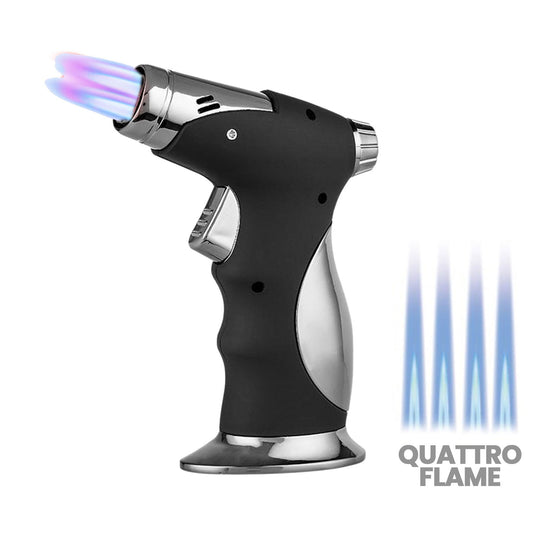
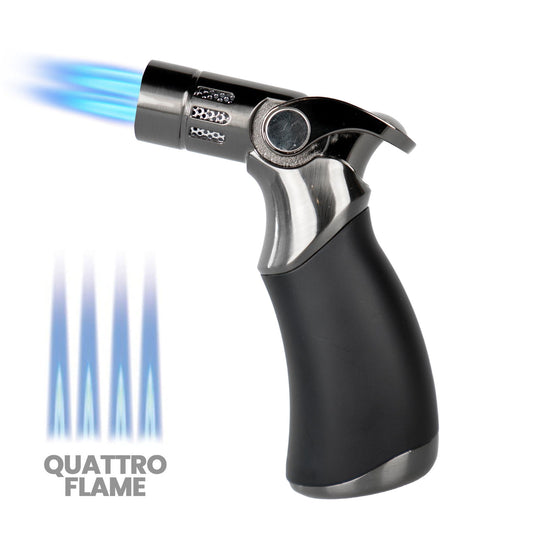
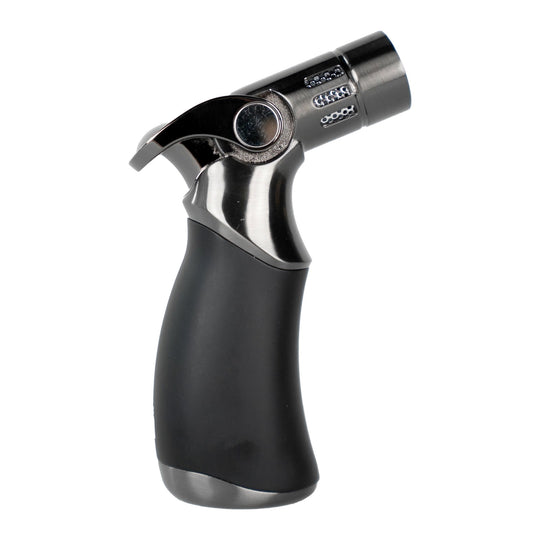
A BBQ lighter has to do two things: burn long enough to get the coals going, and keep burning in the wind. An ordinary lighter manages neither, and with lighter fluid you taste it back in the meat later.
The choice splits into two kinds: a lighter with a jet flame running on butane gas, or an electric one that blows hot air.
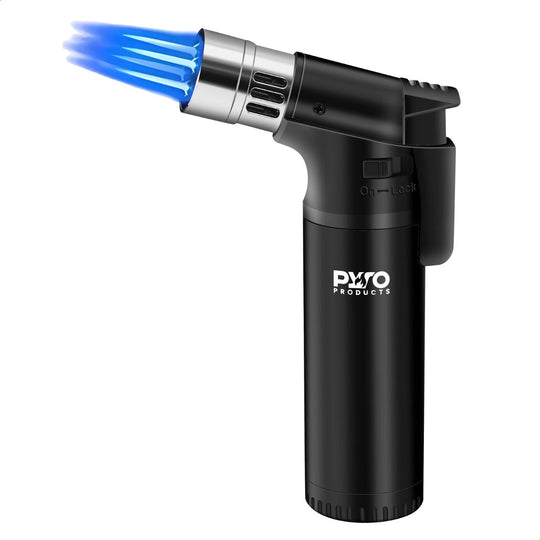
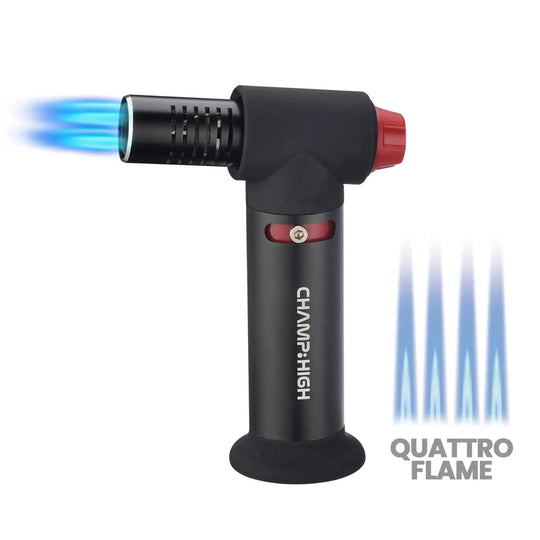
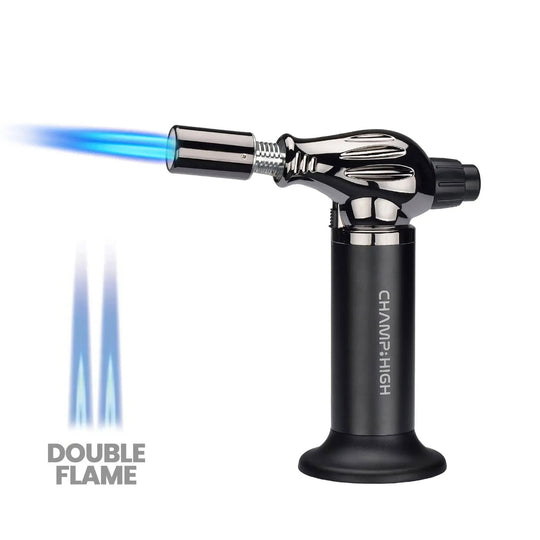
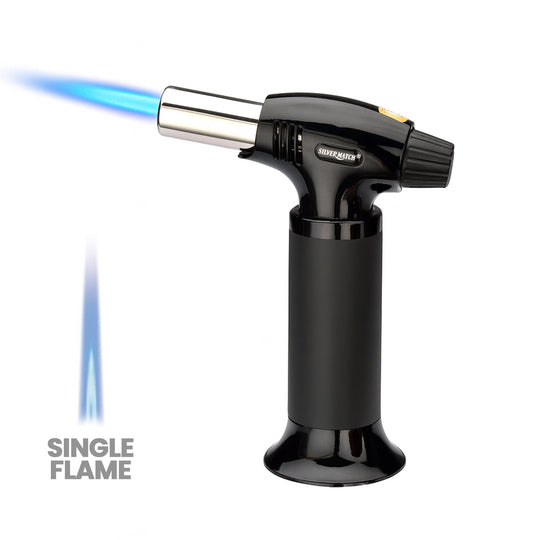
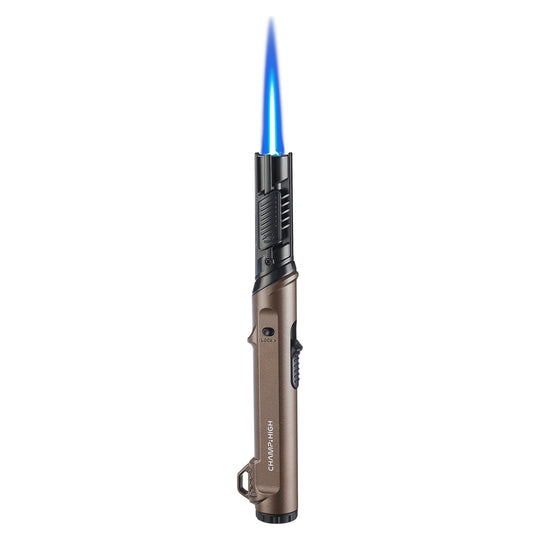
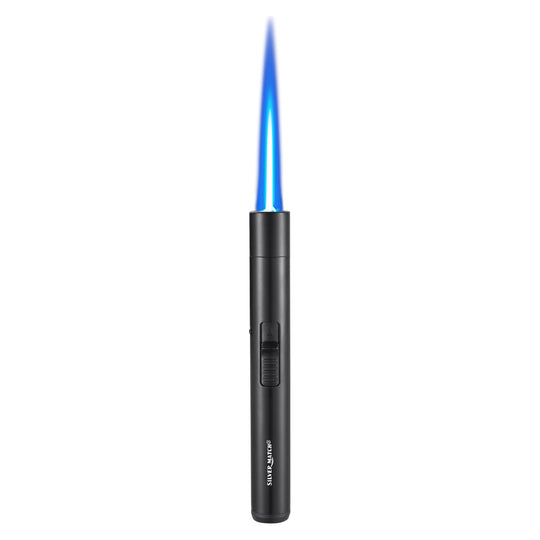
Charcoal and briquettes need time and oxygen. A soft flame blows away before the coal glows, and a match is gone before anything happens. A jet flame is blown out under pressure and keeps the heat on one spot, exactly what a briquette needs to catch.
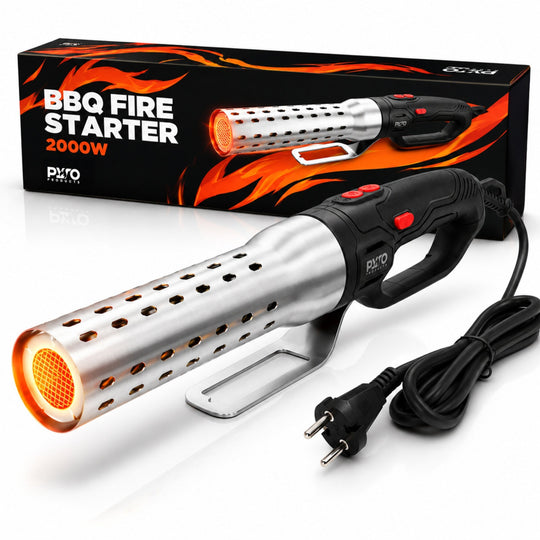
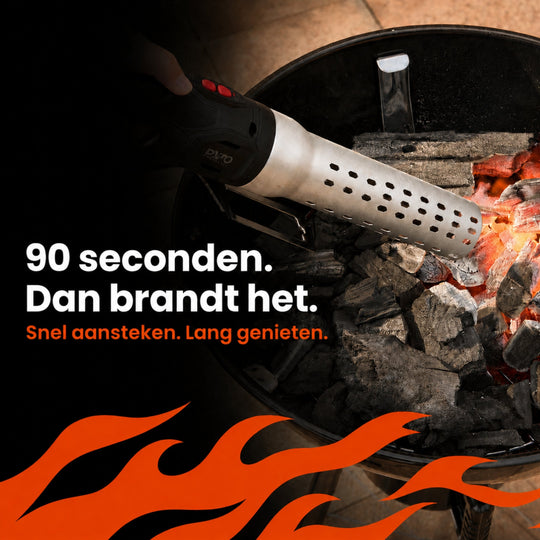
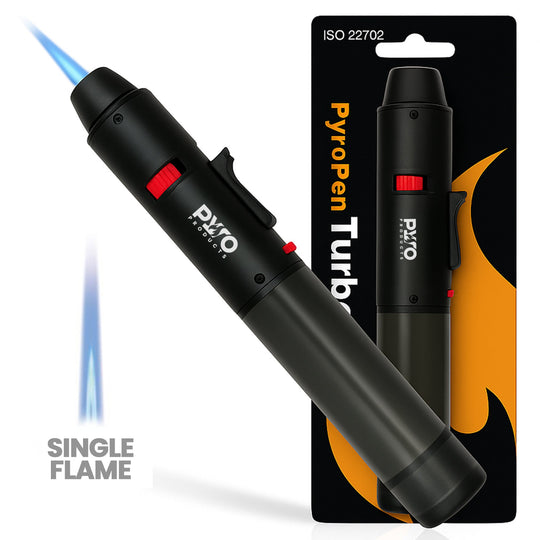
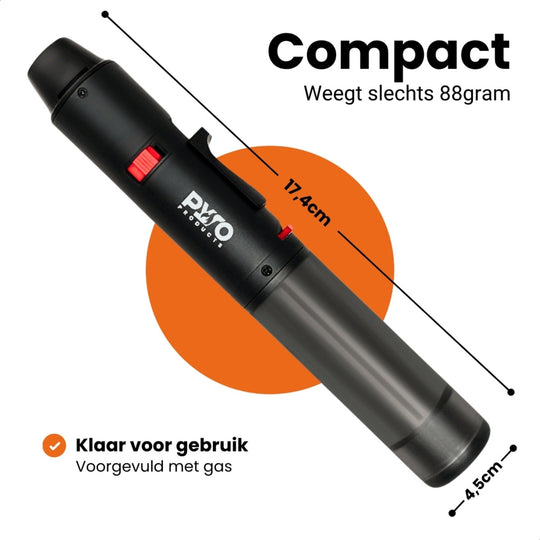
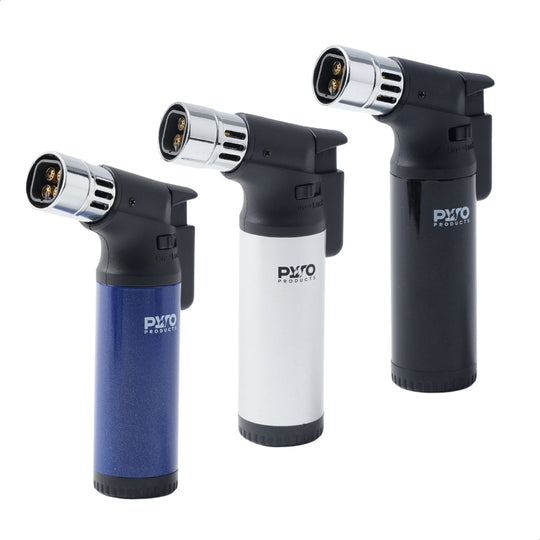
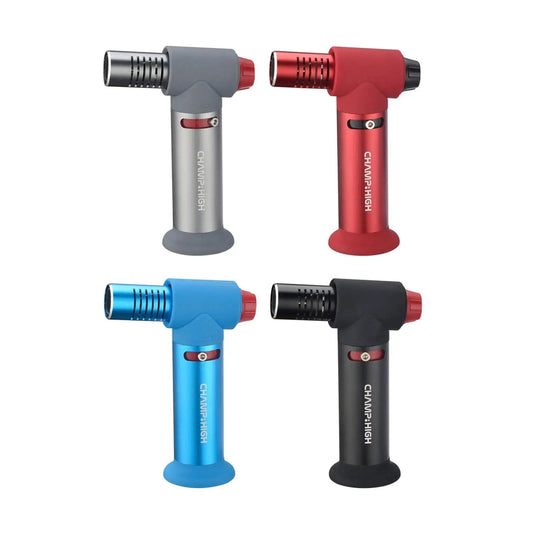
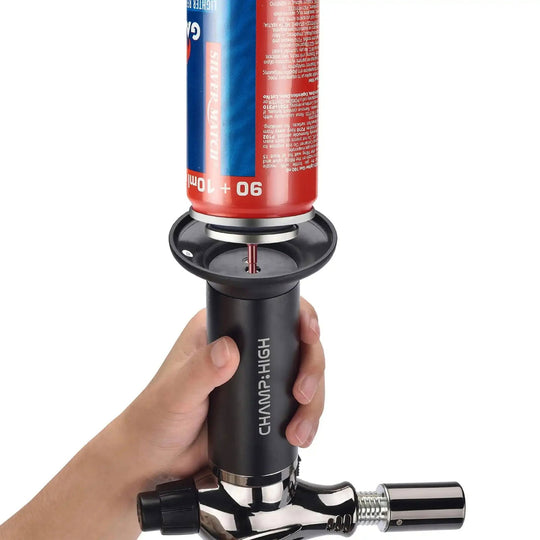
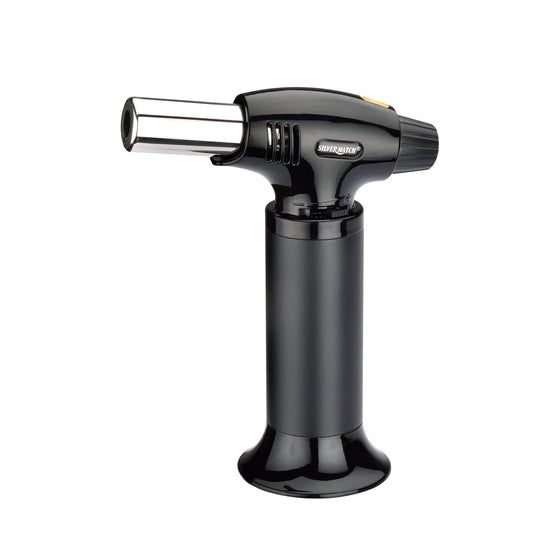
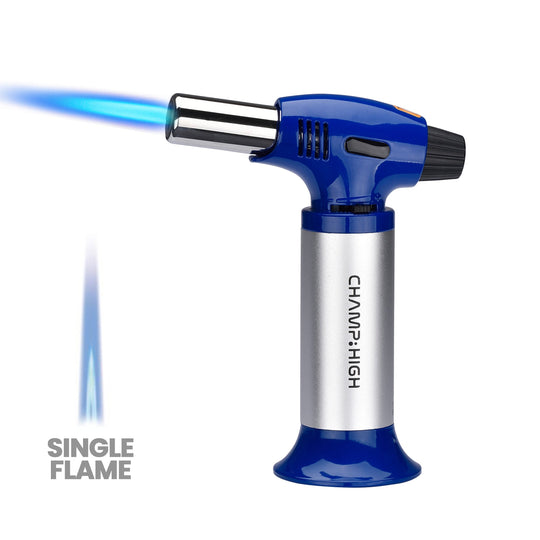
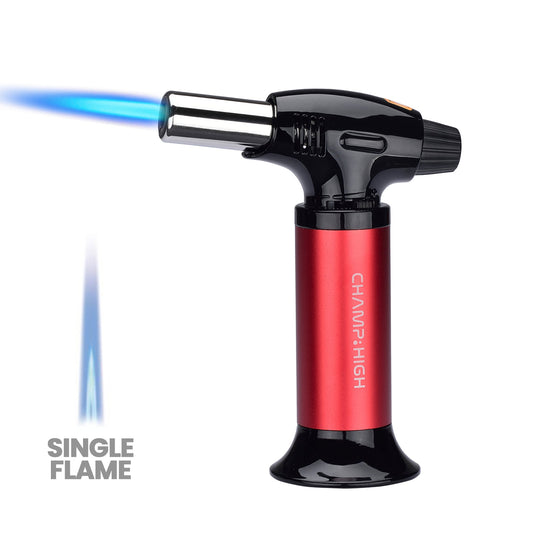
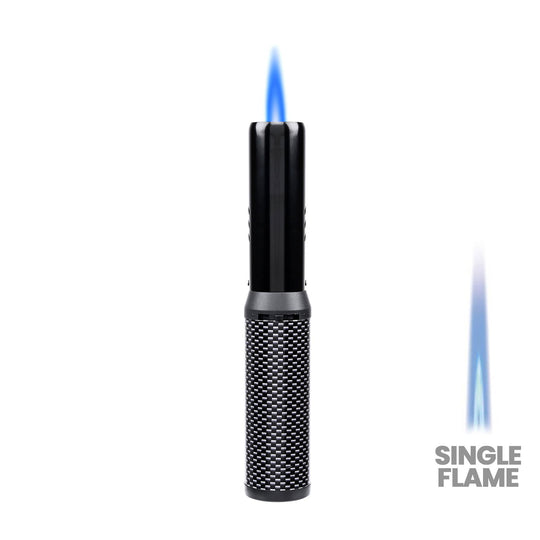
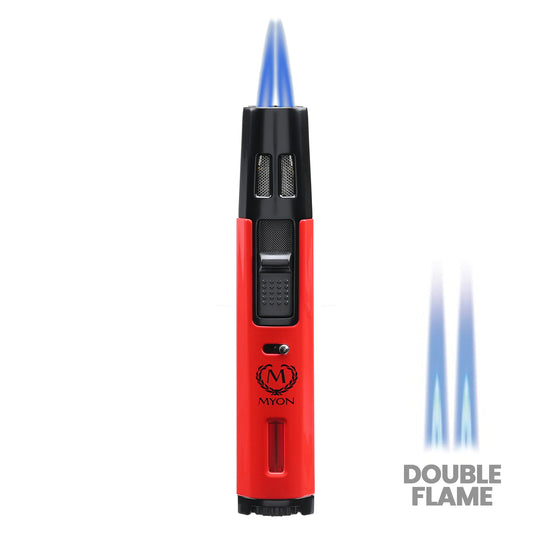
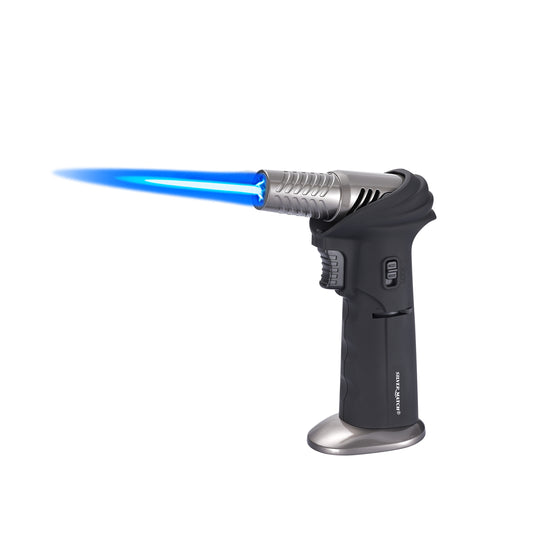
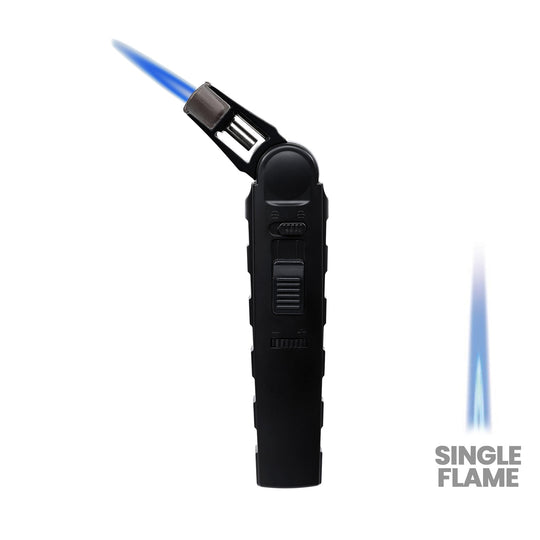
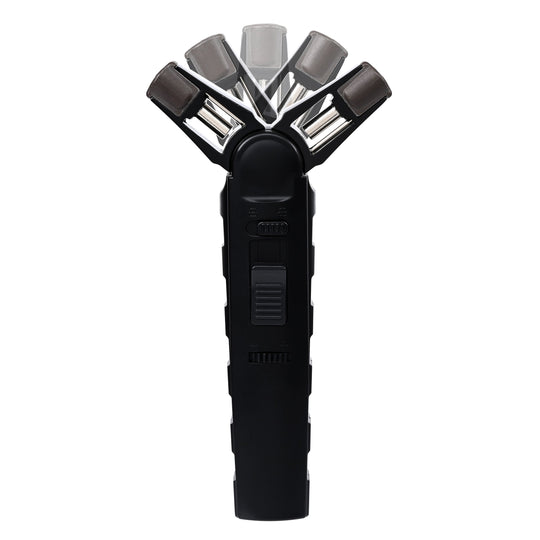
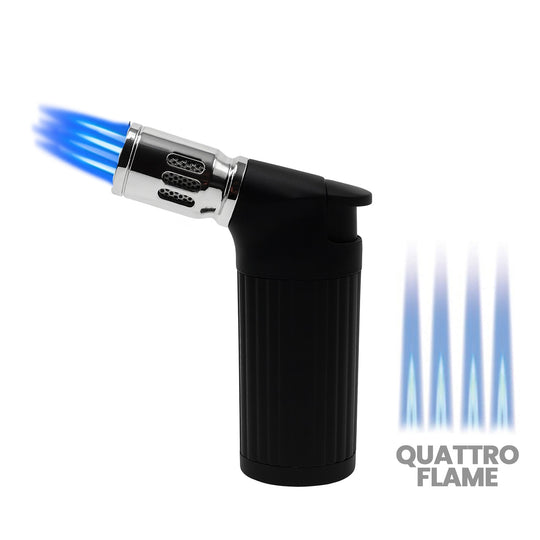
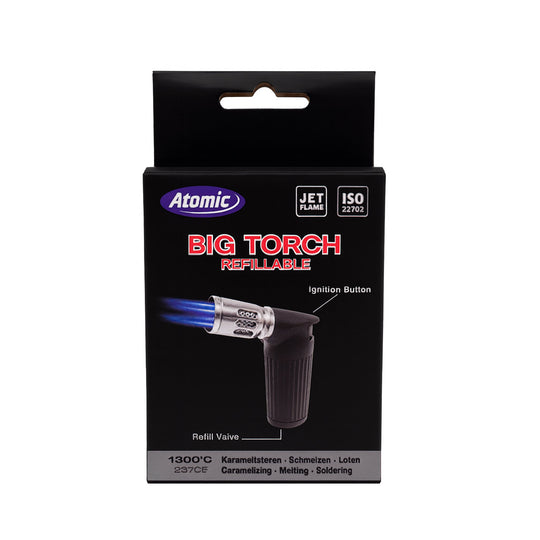
This category holds bbq lighters with one to four jet flames and an electric model that works on hot air. Virtually all refillable with butane gas, so they last you seasons.
The same lighter also does the fire bowl, the open fireplace and the stove. If you light mainly with firelighter cubes or wood wool, have a look at the bbq accessories too. If you are looking for something that always keeps burning outdoors, those are with the storm lighters.
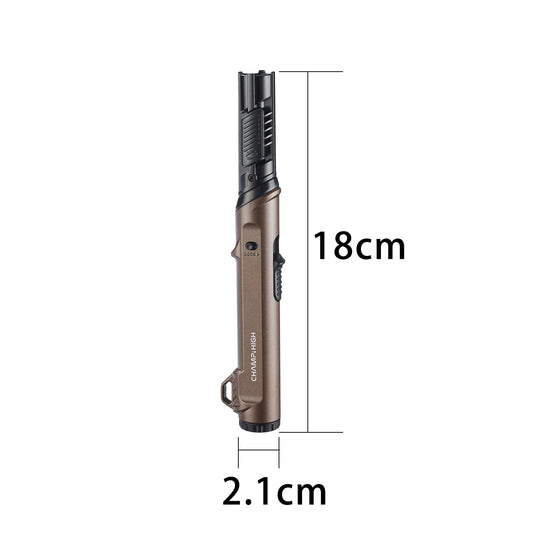
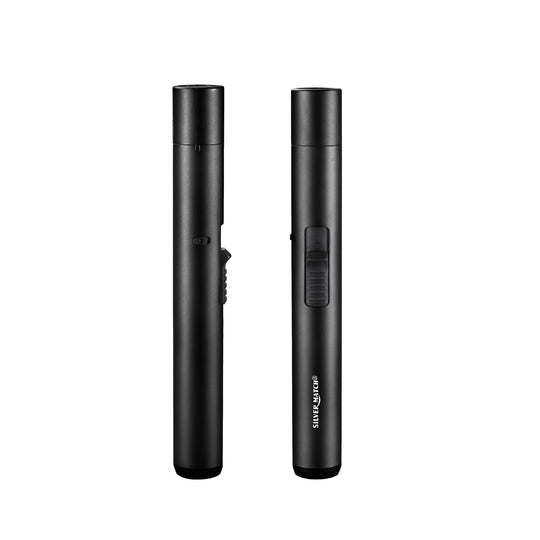
When comparing, look at the number of flames, the length of the nozzle, the size of the gas tank and whether it has a lock. The difference between lighting materials is in wood wool or firelighter cubes.
If you are torn between electric and gas, let the place decide. At home on the terrace a socket is no problem, but at a campsite or at the back of the garden it is. If you are often out and about, butane gas wins on size and on convenience.